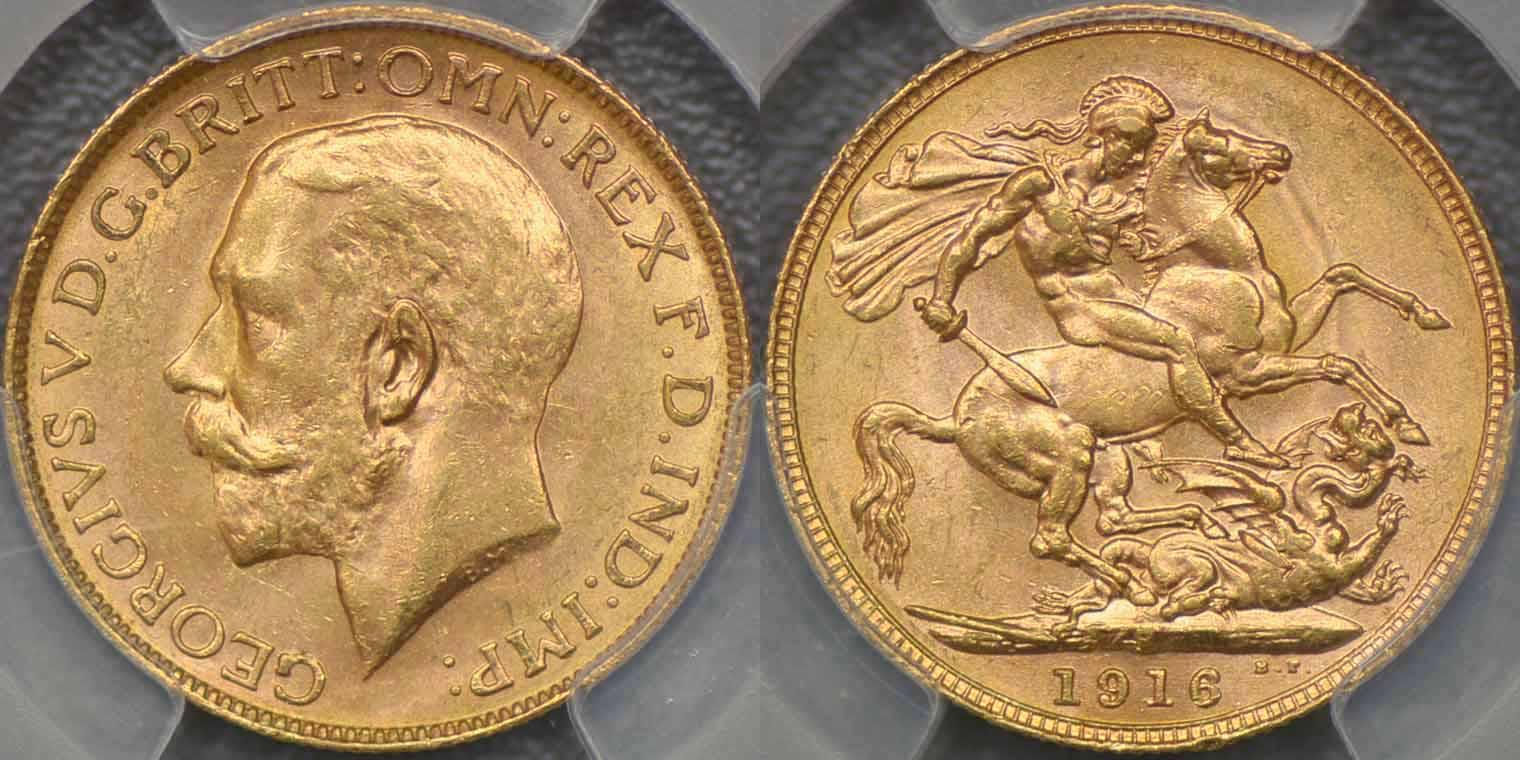
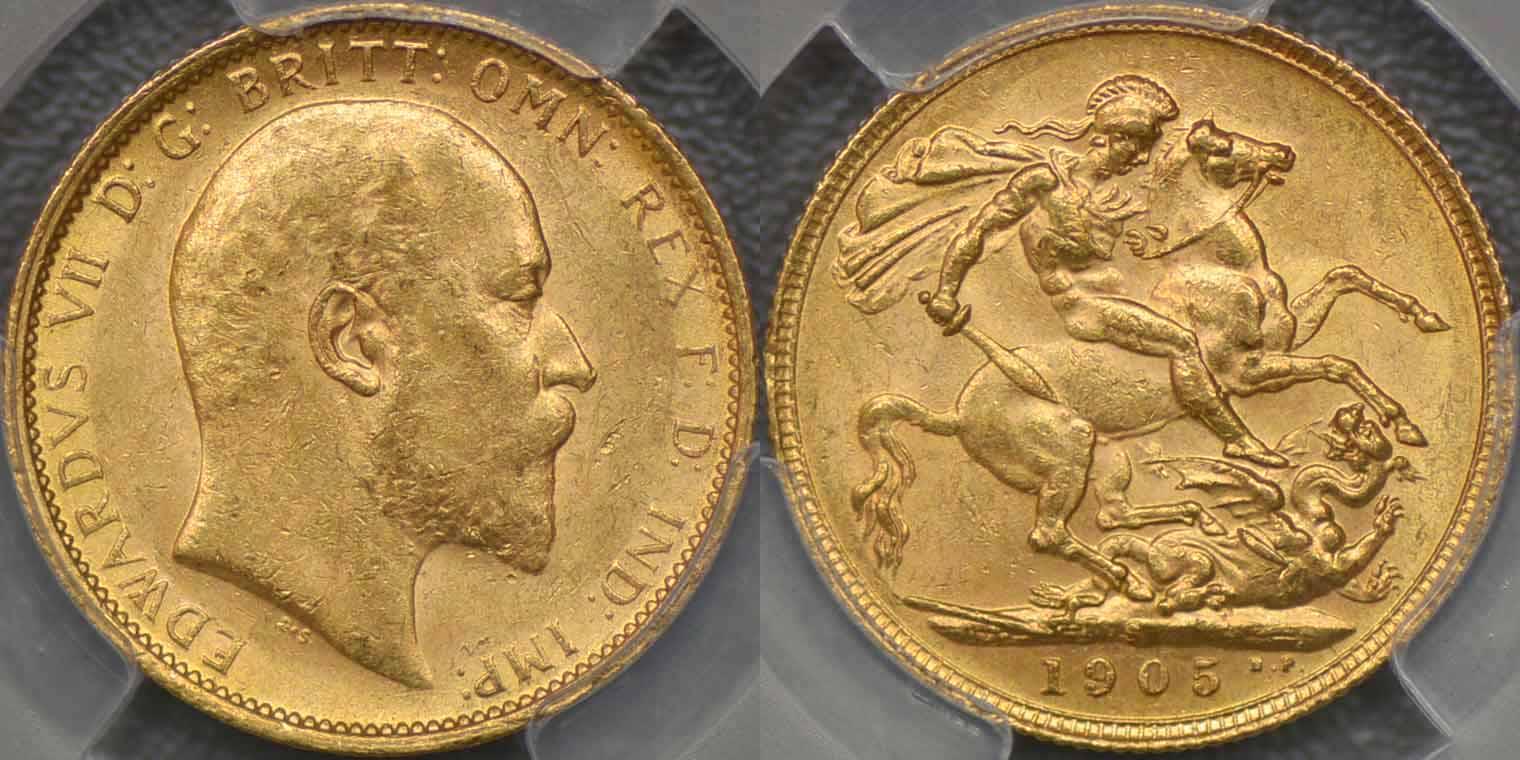
There are thousands of gold coin types on the market. From Krugerrands to Maples, Roosters to sovereigns, the range of coins investors and collectors can add to a portfolio or collection is vast.
Collectible versus investible gold coins
Before buying gold coins for investment, it helps to distinguish between bullion-type gold coins and collectible (numismatic) gold coins. Both are made of gold, but the factors that drive value are different. Investors seeking exposure to the gold price generally focus on bullion-type coins, while collectors may prioritise rarity, history, and condition.
Collectible (numismatic) gold coins
Collectible, or numismatic, gold coins are acquired for their historical significance, rarity, visual appeal, and condition. Participants in this market are typically motivated by collectability rather than tracking the gold price, and metal value may be secondary.
Pricing is driven by demand, historical importance, popularity, eye appeal, and grade. Any price appreciation usually reflects shifts in collector sentiment and market perception, rather than movements in the gold price alone.
Investible bullion-type gold coins
Investible bullion-type gold coins are described differently depending on region. In Australia, common terms include bullion gold coins, bullion coins, or bullion-grade coins. Less flattering references are “scrubbers” and “scrap”. In the United Kingdom and Europe, the term investment gold is widely used. In the United States, these coins are sometimes described as generic gold.
Regardless of the label, value is primarily based on the weight of gold in the coin, plus a premium. The premium is a percentage added above the raw gold value and varies by coin, reflecting relative demand and liquidity among bullion buyers.
For example, the Australian Kangaroo is a one ounce (1 oz) gold coin minted in Perth. It generally trades at a small premium above spot and is commonly treated as a straightforward investment bullion coin. The Canadian Maple Leaf, also 1 oz, is priced and traded similarly, and is particularly popular in Canada.
Some investors also consider vintage gold coins that trade at modest premiums above the gold price. These coins are often smaller than 1 oz, which lowers the dollar outlay per coin, even if the premium is slightly higher. This can make vintage coins a more accessible entry point than full-ounce modern bullion coins.
Vintage gold bullion coins
Vintage gold bullion coins are widely regarded as an affordable entry into the gold coin market. They are visually appealing, available in many varieties, and dealers are always willing to purchase them due to their intrinsic gold content. In some cases, dealers may pay relatively strong buyback prices for historical coins because they combine bullion value with steady collector demand.
Most commonly traded vintage gold bullion coins originate from Europe and the United States, largely because these regions minted high volumes of coinage over long periods. Coins are available in a range of sizes and price points. Market participants may diversify across countries or concentrate on one or two regions of interest.
The most popular vintage gold coin is the gold sovereign, while twenty franc coins from several European nations are also widely traded. Historic United States gold coins, including eagles and related denominations, are keenly collected as well.
Here’s a list of the most popular vintage gold bullion coins currently trading on the market, with approximate bid and ask (buy and sell) pricing in the Australian market.
Coin | Issuer | Actual Gold Weight (AGW) | Ask prices | Bid prices |
|---|
Sovereign | British Empire (United Kingdom, Australia, Canada, India, South Africa) | 0.2354oz | 110 – 115% | 98 – 102% |
Twenty franc or equivalent | France, Belgium, Switzerland, Italy, Greece, Spain, Finland | 0.1867oz | 110 – 115% | 98 – 102% |
Twenty mark | Germany | 0.2304oz | 110 – 115% | 98 – 102% |
Ten gulden | Netherlands | 0.1947oz | 110% | 95 – 100% |
Double eagles (gold $20) | United States of America | 0.9167oz | 110 – 115% | 98 – 102% |
Austrian 4 ducats | Austria | 0.4427oz | 110 – 115% | 98 – 100% |
Austrian 100 corona | Austria | 0.9802oz | 110% | 98 – 100% |
Austrian 100 schilling | Austria | 0.6807oz | 110% - 120% | 98 – 105% |